
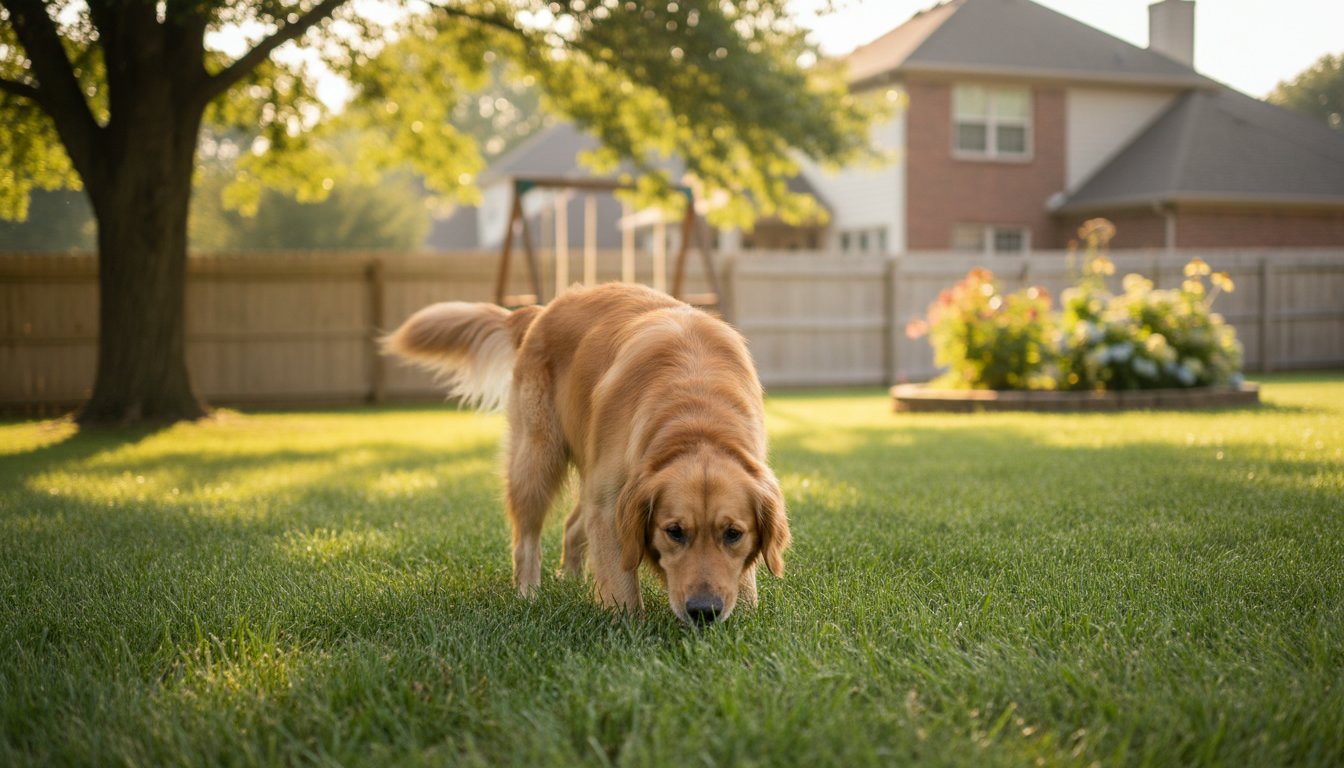
Dogs eat grass for a handful of normal reasons: instinct, digestion, boredom, or because they like the taste or texture.
This guide is for general information only. Ask your vet about your own pet’s health or diet.
Quick Answer: Most dogs graze on grass as a harmless behavior driven by instinct, dietary curiosity, or simple boredom; only a small number of cases indicate illness. Watch frequency, signs of sickness, and what they eat, and talk to a vet if you see vomiting, lethargy, or repeated episodes.
Key Takeaways
- Eating grass is common and often harmless, seen in roughly 10% to 40% of dogs depending on surveys.
- Causes include instinct, fiber-seeking, boredom, anxiety, taste, or to make themselves vomit.
- If your dog vomits occasionally but is otherwise normal, it usually isn’t urgent; see a vet for frequent vomiting or other worrying signs.
- Use diet checks, enrichment, safe chewables, and supervised walks to reduce grass-eating when needed.
In This Guide
Why Do Dogs Eat Grass?
There isn’t one single answer because dogs are individuals, but common reasons include instinct, adding fiber, oral stimulation, boredom, anxiety, and simple taste preference.
Picture this: your Labrador happily nosing through a lawn between tosses of a ball; he may simply enjoy the texture. Say you have an older dog who chews less, they might chew grass because it feels good for their teeth or gums.
Is It Bad For My Dog To Eat Grass?
Usually no, occasional grass-eating is normal and not harmful. Problems arise if the grass has toxic chemicals, pesticides, or if the behavior is obsessive and paired with illness.
If your dog eats grass and vomits once but otherwise acts normal (playing, eating, drinking), that is often not an emergency. If your dog eats treated turf, sharp weeds, or large amounts repeatedly, get veterinary advice.
What Causes Grass Eating Behavior?
Here are the main drivers with short examples and what to watch for:
- Instinctual Foraging: Dogs descended from omnivores that ate plant material occasionally; some grass-eating is inherited curiosity.
- Fiber Or Digestive Aid: Dogs may eat grass to add roughage. Picture this: a dog with firm but infrequent stools starts sampling grass and then poops more regularly.
- Boredom Or Habit: A dog left unstimulated may graze for entertainment or attention.
- Anxiety Or Stress: Repetitive grass-eating can be a displacement behavior in stressed dogs.
- Taste And Texture: Some breeds or individuals simply enjoy the mouthfeel or moistness of grass.
- To Induce Vomiting: In a few cases dogs eat grass to make themselves sick when they feel unwell, then vomit to relieve stomach discomfort.
Warning Signs To Take Seriously
Watch for these red flags and act if you see them:
- Frequent or violent vomiting (more than twice in 24 hours).
- Lethargy, loss of appetite, or change in drinking habits.
- Blood in vomit or stools, or persistent diarrhea.
- Eating treated lawn, fertilizer, insecticides, or unknown plants.
- Obsessive grass-eating that interferes with daily life or causes weight loss.
When to See a Vet
- If vomiting occurs repeatedly within a day or the dog seems unwell.
- If the dog has eaten treated grass, pesticides, or unknown plants.
- If behavior changes suddenly or you notice pain, swelling, or changes in bathroom habits.
How Can I Stop My Dog Eating Grass?
Follow these practical steps to reduce grass-eating without stress.
- Check Diet And Nutrition: Ensure your dog gets balanced food with adequate fiber. Increase fiber gradually by adding small amounts of canned plain pumpkin (1–2 teaspoons for small dogs, 1–2 tablespoons for medium to large dogs) after checking with your vet.
- Increase Exercise And Mental Enrichment: Aim for at least 20–60 minutes of active time daily depending on breed and age; use puzzle feeders, training sessions, and varied walks.
- Work On Supervision And Redirection: On walks, carry treats and practice an attention cue like “Leave It” or “Here” and reward when your dog ignores grass.
- Offer Safe Chews And Alternatives: Provide chew toys, safe edible chews, or fresh dog-safe greens like small amounts of carrot or apple slices (no seeds) to satisfy oral needs.
- Remove Access To Treated Lawns: Avoid letting your dog graze on lawns recently treated with chemicals; wait the recommended re-entry time on the product label.
- Consult A Vet Or Behaviorist: If behavior persists or you suspect medical causes, schedule a vet check and consider a referral to a certified dog behaviorist.
Safe Alternatives And Diet Tips
Simple swaps and checks that help most dogs:
- Serve 2–4 small fruit or vegetable snacks per day like banana slices or watermelon chunks in moderation; avoid toxic foods. See our guide on Can Dogs Eat Bananas? for safe serving tips.
- Offer supervised outdoor time on untreated grass or a dog-safe digging area with soil or sand.
- Keep fresh water available at all times, dehydration can change chewing behavior.
- If your dog has skin, oral or dental discomfort, check teeth and gums; our bathing and care tips can help you keep routine checks How Often Should I Bathe My Dog.
| Strategy | When To Use | Expected Result |
|---|---|---|
| Add fiber (pumpkin) 1–2 tsp to 1–2 tbsp | Occasional firming or constipation | More regular stools; less grazing |
| Increase mental exercise 10–30 minutes/day | Boredom-driven grazing | Reduced boredom behaviors |
| Train “Leave It” and reward | Walks or backyard time | Better impulse control |
Frequently Asked Questions
Is grass eating normal for puppies?
Yes. Puppies often explore the world with their mouths and may nibble grass out of curiosity. Monitor for ingestion of harmful plants and focus on training and safe chew toys.
Can grass make my dog sick?
Directly, grass is rarely toxic, but treated lawns, sharp plants, or moldy clippings can cause sickness. See a vet if your dog vomits repeatedly or shows weakness.
Does my dog eat grass because of dietary deficiency?
Sometimes dogs eat grass for extra fiber, but true nutritional deficiencies are less common with commercial balanced diets. If you suspect diet issues, review feeding amounts and check with your vet.
Will scolding my dog stop grass eating?
No. Scolding often increases stress or makes the behavior covert. Use redirection, training, and enrichment instead of punishment for best results.
Are some breeds more likely to eat grass?
There is no strong breed rule, though active or curious breeds may graze more simply because they spend more time outdoors. Individual personality matters most.
Should I let my dog eat grass if it makes them vomit?
Occasional vomiting after grass-eating can be self-limiting. If it happens rarely and your dog recovers quickly, monitor. If vomiting is frequent, blood-streaked, or accompanied by other signs, see a vet.
Small Changes You Can Try Today
Start by watching when and where your dog eats grass for a week and try one change: a new chew, five extra minutes of active play, or training “Leave It” on a walk. Keep notes and talk to your vet if you see red flags.
This article is for general information only.