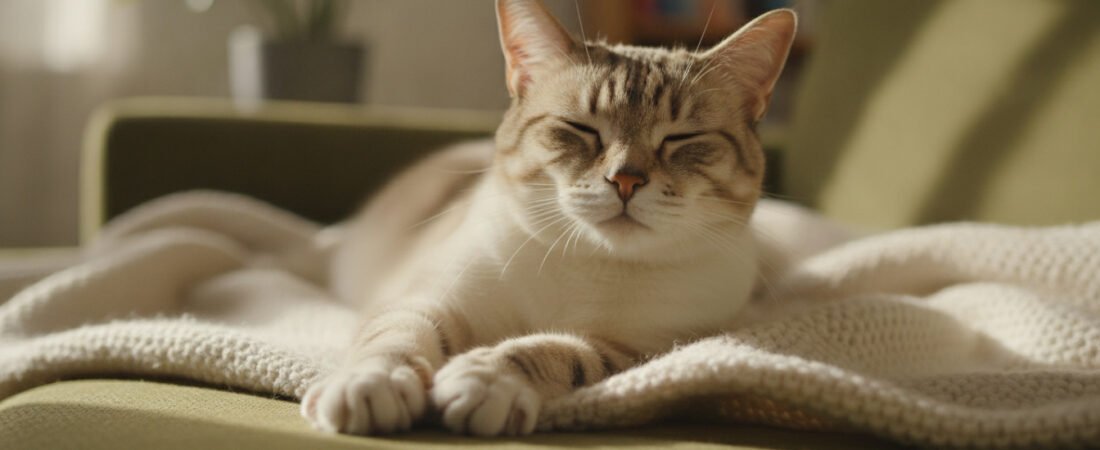
Cats knead because it comforts them, helps mark territory, and reminds them of nursing instincts, your cat kneads to feel safe and to bond with you. If you’ve ever been half-asleep while your cat rhythmically presses their paws into your lap, you know it’s oddly soothing and a little weird all at once, and that’s exactly what kneading is for.
If a behavior changes suddenly or seems obsessive, check with your veterinarian.
Quick Answer: Kneading is a normal, affectionate behavior rooted in kittenhood and scent marking. Most kneading is harmless, but watch for signs like digging claws, bleeding, or obsessive kneading that interfere with eating or sleeping.
Key Takeaways
- Kneading comforts cats and strengthens bonds.
- Kittens knead more, but adults do it too, often for a few minutes at a time.
- Protect skin with a folded towel or thick blanket; trim claws if they snag.
In This Guide
Why Does My Cat Knead?
Kneading has three main reasons: comfort from nursing reflexes, scent marking with glands in the paws, and showing affection or claiming you as part of their territory. When your cat presses and releases, they are both self-soothing and leaving their scent on you.
Picture this: your older cat circles, plops on your lap, and starts a steady four-count knead. They are settling in and telling themselves the spot is safe. That same rhythm came from kneading their mother while nursing as a kitten.
Is Kneading Normal?
Yes, kneading is a normal and common behavior for both kittens and adult cats. Expect sessions to last from a few seconds to around 10 minutes, and usually paired with purring, half-closed eyes, or a relaxed posture.
Say your indoor-only tabby starts kneading when you open a new blanket. That is normal, the new texture invites the behavior and helps them mark the object as theirs.
Signs to Watch For
Most kneading is harmless, but pay attention to changes. Watch for:
- Bleeding or scratching at your skin that draws blood.
- Nonstop kneading for hours, which might signal anxiety.
- Hiding, loss of appetite, or sudden aggressive behavior paired with kneading.
- Swelling, limping, or signs of paw pain while kneading.
When to Call Your Vet Right Away
- Open wounds, persistent bleeding, or deep scratches from kneading.
- Severe change in behavior, not eating for 24 hours, or repeated obsessive kneading.
- Sudden limping, paw sensitivity, or visible swelling of the paw.
How Do I Stop Or Redirect It?
You don’t need to stop kneading entirely, but you can protect yourself and your furniture. Use these simple steps to redirect or manage the behavior.
- Place a folded towel or a thick blanket over your lap before your cat hops up. This reduces claw impact and protects skin.
- Offer a soft pillow or plush toy as an alternative kneading surface, especially when your cat starts circling. Keep the pillow nearby so it becomes an easy swap.
- Trim nails every 2 to 4 weeks to blunt claws that snag. If you aren’t comfortable, ask your vet or groomer to show you safe trimming technique.
- Gently relocate your cat after a few minutes if you need skin or furniture protection. Pick them up calmly and place them on the pillow, then reward with a gentle pet or treat after 10 to 30 seconds of using the new spot.
- If kneading becomes obsessive or paired with other stress signs, increase playtime to at least 10 to 15 minutes twice daily to burn nervous energy and consult your vet about behavior help.
Picture this: your Siamese starts kneading your bare arm and you place a soft cat bed next to you. After a few tries, they choose the bed because it is cozy and scent-marked.
Do Kittens Knead More Than Adults?
Yes, kittens knead more because the action helped stimulate milk flow from their mother. Most kittens will knead several times a day and often while nursing or falling asleep. By 12 to 16 weeks some kittens start to knead less, but many adults keep the habit.
Say your 8-week-old kitten purrs and kneads for long stretches after a meal. That is normal; expect the behavior to mellow by about 3 to 4 months as they grow more independent.
Can Kneading Damage Furniture Or Skin?
Kneading can scratch upholstery and make skin sore over time, especially if claws are long. Protect items with washable throws and rotate them to keep your cat interested in marked objects instead of your best couch.
| Situation | Likely Reason | What To Do |
|---|---|---|
| Cat kneads your bare skin hard | Affection mixed with sharp claws | Use a folded towel, trim claws, offer a pillow |
| Cat kneads furniture repeatedly | Scent marking and a preferred texture | Cover with throws, provide scratching posts |
| Nonstop kneading for hours | Stress or medical issue | Increase play, monitor mood, call vet if paired with other signs |
For extra reading on how cats show affection and food-related behavior, check our guide on Can Cats Eat Tuna? Safe Ways to Share Tuna With Your Cat, and for a comparison of pet affection, see Why Does My Dog Lick Me? 9 Reasons Your Pup Shows Affection.
Frequently Asked Questions
Can I Stop My Cat From Kneading?
No, you cannot and should not stop it completely, but you can redirect or protect yourself with towels, beds, and nail trimming.
Is Kneading A Sign My Cat Loves Me?
Yes, kneading is often a sign of affection and trust, especially when paired with purring or relaxed body language.
Can Neutering Or Spaying Change Kneading?
No, spaying or neutering usually does not change kneading, since the behavior is largely a comfort and scent-marking action rather than a sexual one.
Are There Medical Reasons For Kneading More Than Usual?
Sometimes, yes. Increased or obsessive kneading paired with behavioral changes or appetite loss can signal stress or medical issues and should prompt a vet check.
Will My Cat Stop Kneading When They Get Older?
Not necessarily. Some cats knead less with age, but many continue their whole lives, often slowing down and becoming gentler.
Should I Clip My Cat’s Claws If They Knead A Lot?
Yes, clipping every 2 to 4 weeks can prevent skin scratches and furniture damage; seek a vet or groomer’s help if you are unsure how.
A Friendly Note As You Go
Let your cat knead when it’s safe and use simple barriers or substitutes when it’s not. Most cats knead because they feel secure and connected to you, so a little fabric and a nail trim go a long way toward keeping both of you comfortable.
This article is for general information only and is not a substitute for professional veterinary advice.